
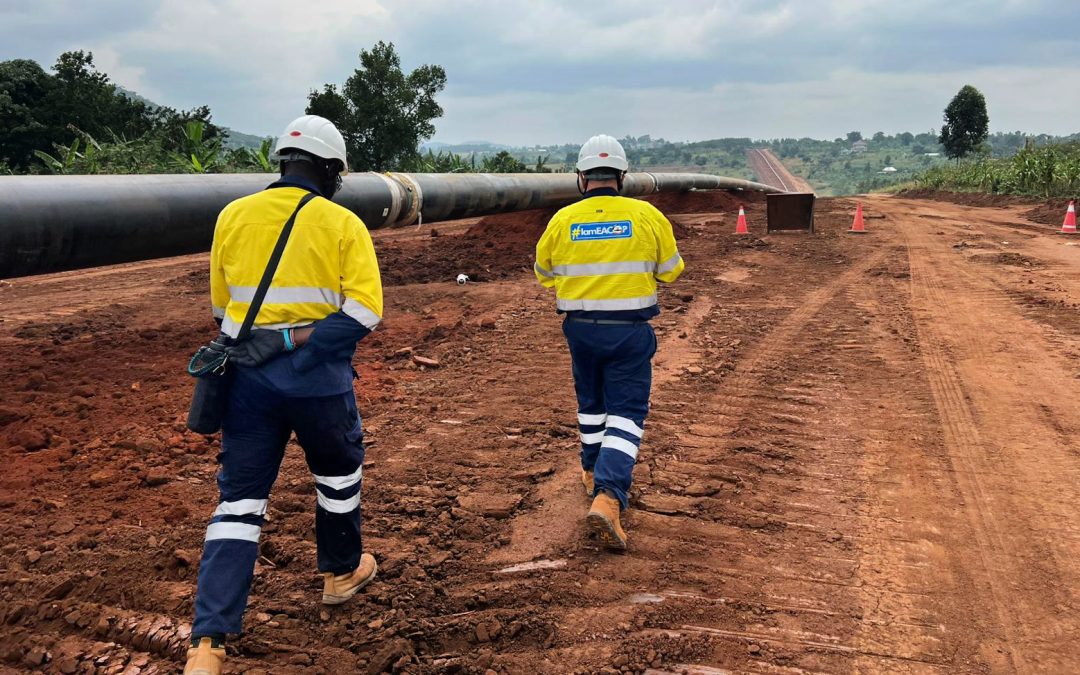
The Oil & Gas industry is one of the most important drivers of the global economy. From fueling cars and airplanes to powering factories and even producing raw materials for plastics, oil and gas are everywhere in our daily lives. Because of this, the industry continues to employ millions of people worldwide. From engineers, technicians, operators, to safety officers, project managers, and more.
But for anyone looking to build a career in this field, there are two big questions: what should you expect when working in Oil & Gas, and how can you prepare to succeed? This article breaks it down in simple terms, giving you a realistic picture of the industry and clear steps to get ready for opportunities in it.
What Makes Oil & Gas Different?
Oil & Gas is not a regular 9-to-5 office job. It’s an industry that runs on scale, risk, and precision. Projects often cost billions of dollars and operate under strict safety and environmental standards. Mistakes can be costly, not just financially but also in terms of safety and reputation. Some unique features include:
-
High regulation and safety standards – every worker must follow strict safety rules, no exceptions.
-
Remote and challenging work sites – many jobs are offshore, in deserts, or in remote areas far from cities.
-
Project-based nature – work often runs in cycles, from exploration to drilling to refining.
-
Global presence – Oil & Gas companies operate all over the world, creating opportunities for travel and relocation.
What to Expect on the Job
1. Long Hours and Rotations
Many Oil & Gas professionals work on rotational schedules. For example, you may spend 28 days on an offshore rig and then have 28 days off. During active shifts, hours can be long and physically demanding.
2. Challenging Environments
You could be working in extreme heat, freezing cold, or on platforms in the middle of the ocean. Comfort is not always guaranteed, but safety and functionality are always prioritized.
3. Strict Safety Culture
Safety is not just a rule, it’s a way of life in Oil & Gas. Daily safety meetings, drills, and checks are part of the routine. Workers are expected to stay alert and follow procedures at all times.
4. Teamwork Is Everything
Most tasks cannot be done alone. You’ll work closely with engineers, technicians, and contractors. Communication and cooperation are crucial.
5. Good Pay and Benefits
Because of the challenges and risks, Oil & Gas jobs are often well-paid compared to similar roles in other industries. Rotational work also means long breaks between shifts, giving time to rest or focus on family and personal goals.
Skills and Qualifications You’ll Need
Technical Skills
Depending on your role, you may need knowledge in:
-
Engineering (mechanical, electrical, petroleum, civil)
-
Health, Safety & Environment (HSE)
-
Welding, drilling, or technical operations
-
Project and facilities management
Soft Skills
-
Adaptability – being able to work in tough conditions.
-
Problem-Solving – equipment and situations don’t always go as planned.
-
Teamwork – your safety and success depend on those around you.
-
Attention to Detail – small mistakes can have big consequences.
Certifications
Having the right certifications can set you apart. Common examples include:
-
HSE certifications (like NEBOSH, IOSH)
-
Offshore survival and safety training (BOSIET, HUET)
-
Technical trade certifications (welding, electrical, drilling)
How to Prepare for a Career in Oil & Gas
1. Get the Right Education or Training
A degree in engineering or technical fields is valuable, but vocational training and certifications can also open doors. Many successful Oil & Gas workers come from hands-on trades.
2. Gain Industry-Recognized Certifications
Employers often prefer candidates with internationally certified training. This shows you understand safety, compliance, and technical standards. WQS, for example, offers certified training programs that prepare professionals for real-world Oil & Gas environments.
3. Start Small and Build Experience
Don’t expect to land a top offshore role immediately. Many people start in junior positions—like technicians or assistants—and work their way up. Experience counts for a lot in this industry.
4. Be Open to Relocation
Jobs may require moving to remote regions or even other countries. Being flexible about location can increase your chances of being hired.
5. Network and Stay Informed
Follow industry news, join professional groups, and connect with recruiters who specialize in Oil & Gas. Networking helps you discover opportunities before they’re widely advertised.
Challenges to Be Aware Of
Like any industry, Oil & Gas has its downsides:
-
Time away from family during rotations.
-
Physical and mental demands of remote environments.
-
Volatility of oil prices affecting job stability.
-
Constant need to upgrade skills and certifications.
Being aware of these challenges helps you prepare mentally and plan ahead.
The Rewards of Working in Oil & Gas
Despite the challenges, many professionals find Oil & Gas rewarding because:
-
Financial Stability – competitive salaries and benefits.
-
Career Growth – clear paths from entry-level roles to senior management.
-
Global Opportunities – the chance to work with international teams and projects.
-
Impact – playing a role in powering industries, communities, and economies.
Final Thoughts
Working in Oil & Gas is not for everyone—it’s demanding, regulated, and often takes you out of your comfort zone. But for those who prepare well, stay committed to safety, and continuously build their skills, it can be a highly rewarding and stable career.
The key to success is simple:
-
Understand what the industry demands.
-
Equip yourself with the right skills and certifications.
-
Be adaptable and willing to grow.
If you’re ready to take on the challenge, Oil & Gas can offer not just a job, but a lifelong career full of opportunities. WQS Recruitment is a leader in the Oil and Gas industry in East Africa and we are happy to walk with you on this journey! CLICK HERE to submit your resume for Oil and Gas opportunities today today